
January 13, 2026
Getting your kitchen lighting right can transform an ordinary space into something extraordinary. Yet it’s one of the most overlooked aspects of kitchen design. Brisbane homeowners often focus on cabinetry, benchtops and appliances, only to realise too late that poor lighting makes even the most beautiful kitchen feel flat and unwelcoming.
The truth is, lighting affects how you work in your kitchen, how the space feels, and how your design choices come to life. A well lit kitchen makes meal preparation safer and easier, creates ambience for entertaining, and showcases the investment you’ve made in quality finishes.
Poor lighting creates shadows on work surfaces, makes colours look dull or distorted, causes eye strain during food preparation, and leaves expensive design features hidden in shadow. Brisbane’s abundant natural light during the day is wonderful, but once the sun sets, artificial lighting becomes crucial for functionality and atmosphere.
Dimmer switches are the simplest upgrade with the biggest impact. They let you adjust lighting intensity for different activities and times of day, reducing energy consumption while extending bulb life. Ensure you choose dimmers compatible with LED fixtures, as older dimmer switches designed for incandescent bulbs often cause LED flickering. Motion sensors are practical for areas you visit briefly, like walk-in pantries or sculleries. Lights activate automatically when you enter and switch off after you leave, saving energy and adding convenience when your hands are full. Scene setting takes control to another level. Programme different lighting combinations for various activities: bright task lighting for morning prep, moderate ambient lighting for family dinners, and soft accent lighting for evening entertaining. Switch between scenes with a single button press or voice command.
At Ace Kitchens, our design process incorporates lighting from the earliest planning stages. We consider how you use your kitchen, what tasks require focused illumination, and which design elements deserve highlighting. This integrated approach ensures lighting enhances rather than compromises your kitchen’s functionality and beauty.
We work with qualified Brisbane electricians who understand local conditions, building codes and the specific challenges of kitchen installations. From simple LED strip additions to complete smart lighting systems, we coordinate all trades to deliver seamless results on time and on budget.
Humidity affects light fixtures, particularly in poorly ventilated spaces. Choose fittings with appropriate IP ratings for moisture resistance, especially around sinks and dishwashers. Quality LED fixtures designed for Australian conditions will perform reliably despite Brisbane’s humidity.
Our indoor outdoor living style means kitchen lighting often needs to transition seamlessly to adjacent outdoor entertainment areas. Consider how interior and exterior lighting work together, particularly for kitchens opening onto patios or alfresco dining spaces.
Our process begins with understanding how you use your kitchen. Do you cook elaborate meals requiring excellent task lighting? Do you entertain frequently and need flexible ambient options? Does your kitchen flow into living areas where lighting transitions matter? These questions shape our lighting recommendations.
We then develop a comprehensive lighting plan that layers task, ambient and accent lighting appropriately. We specify fixture types, positions and controls that align with your budget while maximising functionality and visual impact.
Throughout installation, we coordinate with licensed electricians to ensure everything meets Australian standards and performs flawlessly. The result is a kitchen where lighting enhances every moment, from morning coffee to late night conversations. Ready to illuminate your kitchen properly? Contact Ace Kitchens today to discuss how lighting can transform your space. Whether you’re planning a complete renovation or upgrading existing lighting, we’ll help you create a kitchen that looks and functions beautifully at any time of day.
The truth is, lighting affects how you work in your kitchen, how the space feels, and how your design choices come to life. A well lit kitchen makes meal preparation safer and easier, creates ambience for entertaining, and showcases the investment you’ve made in quality finishes.
Why Kitchen Lighting Matters More Than You Think
Your kitchen serves multiple functions throughout the day. You need bright, focused light for morning coffee preparation and food prep, softer ambient lighting for family dinners, and adjustable mood lighting when entertaining guests. A single overhead light simply can’t handle all these tasks effectively.Poor lighting creates shadows on work surfaces, makes colours look dull or distorted, causes eye strain during food preparation, and leaves expensive design features hidden in shadow. Brisbane’s abundant natural light during the day is wonderful, but once the sun sets, artificial lighting becomes crucial for functionality and atmosphere.
The Three Layers of Great Kitchen Lighting
Professional kitchen designers use a layered approach that combines three types of lighting to create spaces that look stunning and function beautifully.- Task lighting provides focused illumination where you work. This includes under cabinet LED strips that eliminate shadows on benchtops, pendant lights positioned over kitchen islands for food preparation, and directional spotlights above the cooktop and sink areas. Task lighting should be bright, shadow free and positioned to illuminate your hands and work surface without glare in your eyes.
- Ambient lighting creates overall illumination and sets the mood for your space. Recessed downlights throughout the ceiling, statement pendant lights that provide general illumination, and architectural lighting built into bulkheads or cornices all contribute to ambient lighting. This layer ensures your entire kitchen feels welcoming and comfortable, with no dark corners or harsh contrasts.
- Accent lighting adds visual interest and highlights design features. LED strip lighting inside glass fronted cabinets showcases glassware and china, toe kick lighting creates a floating effect and aids nighttime navigation, and feature lighting above open shelving draws attention to decorative items. Accent lighting is where personality and style come through, transforming functional spaces into design statements.
Choosing the Right Fixtures for Brisbane Kitchens
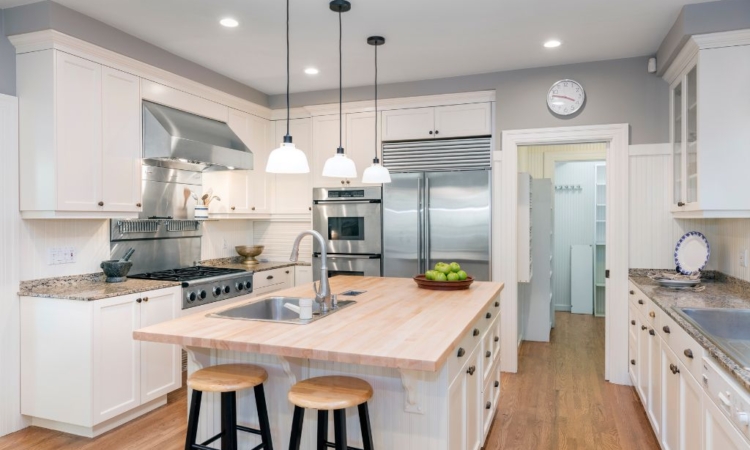
The fixtures you select dramatically impact both functionality and aesthetic. Brisbane homeowners are increasingly moving away from generic downlight only installations toward more layered, interesting approaches.- Pendant lights have become the hero fixtures in modern Brisbane kitchens. Positioned over islands or breakfast bars, they provide task lighting while creating visual focal points. The key is scale: pendants should be substantial enough to make impact but not so large they overwhelm the space or obstruct sightlines. For a standard island, three evenly spaced pendants or one larger linear fixture works well. Hang them approximately 75 to 85 centimetres above the benchtop for optimal function without head bumping.
- Under cabinet lighting is essential for serious cooks. LED strip lights mounted under wall cabinets illuminate benchtops perfectly, eliminating the shadows cast by overhead lighting. Modern LED strips are incredibly slim, energy efficient and available in various colour temperatures to match your overall lighting scheme. Choose warm white (2700 to 3000K) for a cosy feel or neutral white (3500 to 4000K) for crisp, restaurant quality illumination.
- Recessed downlights provide ambient lighting throughout the ceiling. While they shouldn’t be your only light source, they’re excellent for general illumination. Space them evenly across the ceiling, avoiding placement directly above where you stand at the benchtop (which creates shadows). Dimmable downlights offer flexibility to adjust brightness throughout the day.
- Track lighting has evolved from its industrial roots into sophisticated, adjustable systems perfect for Brisbane’s contemporary homes. Modern track systems allow you to position and angle fixtures precisely where light is needed, making them ideal for highlighting artwork, open shelving or architectural features.
Colour Temperature: Getting the Feel Right
Colour temperature dramatically affects how your kitchen feels and how colours appear. Measured in Kelvin (K), it ranges from warm yellow tones to cool blue tones.- Warm white (2700 to 3000K) creates cosy, inviting atmospheres similar to incandescent bulbs. It makes timber tones richer and complements Brisbane’s indoor outdoor living style. However, it can make white cabinetry appear slightly yellow.
- Neutral white (3500 to 4000K) offers balanced, natural looking light that’s neither too warm nor too cool. It’s excellent for task lighting as it renders colours accurately and provides clear visibility for food preparation.
- Cool white (5000 to 6500K) delivers bright, energising light similar to daylight. While great for commercial kitchens, it often feels harsh in residential settings and can make spaces feel clinical.
Smart Lighting Control for Modern Living
Technology has revolutionised kitchen lighting, offering convenience and flexibility that transforms how we use these spaces. Smart lighting systems allow you to control brightness, colour temperature and which fixtures are active, all from your smartphone or voice commands.Dimmer switches are the simplest upgrade with the biggest impact. They let you adjust lighting intensity for different activities and times of day, reducing energy consumption while extending bulb life. Ensure you choose dimmers compatible with LED fixtures, as older dimmer switches designed for incandescent bulbs often cause LED flickering. Motion sensors are practical for areas you visit briefly, like walk-in pantries or sculleries. Lights activate automatically when you enter and switch off after you leave, saving energy and adding convenience when your hands are full. Scene setting takes control to another level. Programme different lighting combinations for various activities: bright task lighting for morning prep, moderate ambient lighting for family dinners, and soft accent lighting for evening entertaining. Switch between scenes with a single button press or voice command.
Common Kitchen Lighting Mistakes to Avoid
Even experienced renovators make lighting errors that diminish their kitchen’s functionality and appeal. Avoid these common pitfalls:- Relying solely on downlights creates flat, uninspiring illumination with shadows where you work. Always layer different types of lighting for depth and functionality.
- Installing non dimmable lights locks you into one brightness level regardless of time or activity. Dimming capability is essential for flexibility and ambience.
- Choosing the wrong colour temperature makes your carefully selected finishes look off. Test bulbs in your actual space before committing, as the same fixture can look completely different depending on surrounding colours and materials.
- Inadequate task lighting forces you to work in your own shadow. Ensure focused light reaches every work surface, particularly prep areas, cooktops and sinks.
- Forgetting about natural light means missing opportunities to reduce electricity consumption and create more pleasant daytime environments. Position work areas near windows where possible and consider how artificial lighting will complement natural light.
Working With Professionals for Best Results
While DIY lighting upgrades are possible, kitchen renovations benefit enormously from professional expertise. Qualified electricians understand Australian wiring standards and safety requirements, ensuring installations meet code and function reliably. Kitchen designers bring valuable experience in creating layered lighting schemes that balance aesthetics with functionality. They know how fixture placement, beam angles and light intensity interact with cabinetry, benchtops and architectural features.At Ace Kitchens, our design process incorporates lighting from the earliest planning stages. We consider how you use your kitchen, what tasks require focused illumination, and which design elements deserve highlighting. This integrated approach ensures lighting enhances rather than compromises your kitchen’s functionality and beauty.
We work with qualified Brisbane electricians who understand local conditions, building codes and the specific challenges of kitchen installations. From simple LED strip additions to complete smart lighting systems, we coordinate all trades to deliver seamless results on time and on budget.
Brisbane Specific Considerations
Brisbane’s subtropical climate and lifestyle create unique lighting considerations. Our long summer days mean kitchens receive abundant natural light, but positioning artificial lighting to complement rather than compete with daylight requires careful planning.Humidity affects light fixtures, particularly in poorly ventilated spaces. Choose fittings with appropriate IP ratings for moisture resistance, especially around sinks and dishwashers. Quality LED fixtures designed for Australian conditions will perform reliably despite Brisbane’s humidity.
Our indoor outdoor living style means kitchen lighting often needs to transition seamlessly to adjacent outdoor entertainment areas. Consider how interior and exterior lighting work together, particularly for kitchens opening onto patios or alfresco dining spaces.
The Ace Kitchens Approach to Lighting Design
Great kitchen lighting doesn’t happen by accident. It requires thoughtful planning, quality fixtures and expert installation. At Ace Kitchens, we treat lighting as integral to overall design, not an afterthought.Our process begins with understanding how you use your kitchen. Do you cook elaborate meals requiring excellent task lighting? Do you entertain frequently and need flexible ambient options? Does your kitchen flow into living areas where lighting transitions matter? These questions shape our lighting recommendations.
We then develop a comprehensive lighting plan that layers task, ambient and accent lighting appropriately. We specify fixture types, positions and controls that align with your budget while maximising functionality and visual impact.
Throughout installation, we coordinate with licensed electricians to ensure everything meets Australian standards and performs flawlessly. The result is a kitchen where lighting enhances every moment, from morning coffee to late night conversations. Ready to illuminate your kitchen properly? Contact Ace Kitchens today to discuss how lighting can transform your space. Whether you’re planning a complete renovation or upgrading existing lighting, we’ll help you create a kitchen that looks and functions beautifully at any time of day.